
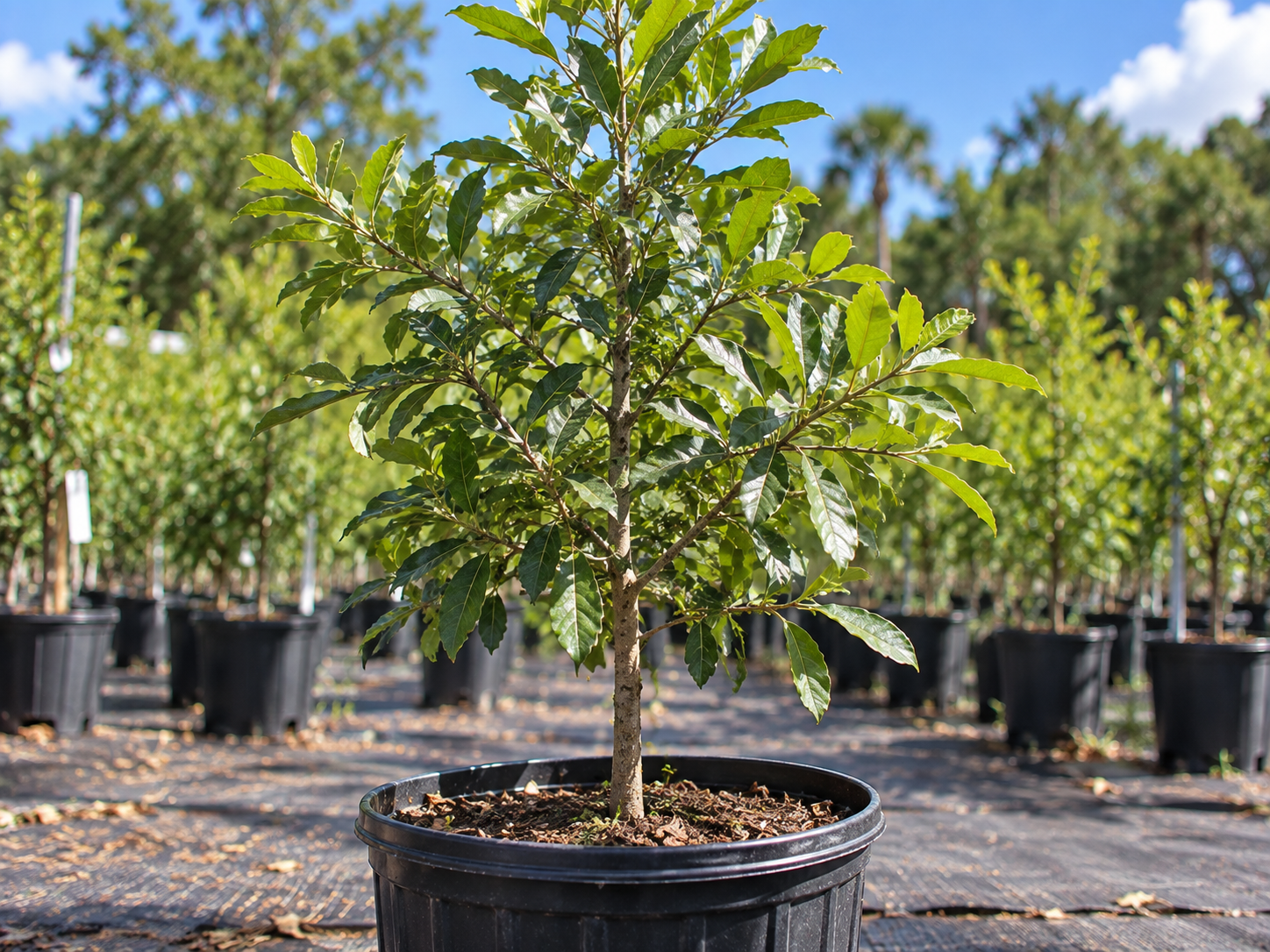
Planting a new tree is an investment in the future of your property. Given the right start, that tree may eventually provide decades of shade, beauty, and enjoyment. But planting the tree is only the beginning. A newly planted tree needs time to establish a healthy root system and adapt to its new location. Florida's heat, heavy rains, periods of dry weather, and varying soil conditions can make those first months especially important. Some problems that appear later in a tree's life actually begin at planting. A little attention at the beginning can make a big difference in how well a new tree becomes established. Start With a Healthy Tree A healthy start begins before you bring the tree home. When choosing a container-grown tree, look beyond the trunk and canopy and consider the roots as well. Roots that have been confined in a container can begin growing around the root ball rather than outward. Smaller, flexible circling roots can often be loosened, redirected, or pruned during planting so new growth can extend into the surrounding soil. More severe root defects can be difficult to correct. If a tree has large, badly circling or deformed roots, choosing a healthier specimen may be the better option. Starting with a sound root system gives the tree a better foundation for becoming established in your landscape. Plant at the Right Depth The base of a tree naturally widens where the trunk meets the main roots. This area, called the root flare, should generally remain visible rather than being buried beneath soil or mulch. Planting too deeply can create problems around the trunk and root system that may not become obvious right away. Getting the depth right at planting helps avoid creating a problem that could follow the tree for years. Match the Tree to the Site Even a healthy tree can struggle if it is planted in the wrong location. Different tree species have different needs for sunlight, moisture, drainage, and available growing space. Florida landscapes can vary considerably, even within the same property. One area may remain wet after heavy rain while another dries quickly. The mature size of the tree matters too. A small tree planted near a house, driveway, sidewalk, utility area, or other structure may eventually become a very large tree competing for limited space. Before planting, consider not only how the tree fits the property today but how it is likely to fit the property as it matures. Help the Roots Become Established After planting, the tree's root system needs to expand into the surrounding soil. Consistent moisture is important during this establishment period, but Florida weather can make watering more complicated than simply following the same schedule every week. Heavy rainfall may be followed by hot, dry conditions, and different soils drain at different rates. The goal is to provide adequate moisture without keeping the root area constantly saturated. Rainfall, drainage, soil conditions, tree species, and the size of the tree can all affect how quickly the soil dries and when additional water is needed. As the roots establish beyond the original root ball, the tree becomes better equipped to handle the conditions of its new environment. Use Mulch Without Burying the Trunk Mulch can help conserve soil moisture and reduce competition from grass and weeds around a newly planted tree. It should not, however, be piled against the trunk. The familiar "mulch volcano" can hold moisture against the tree and bury the root flare. Mulch spread over the root area while leaving the base of the trunk exposed provides the benefits without creating an unnecessary problem for the young tree. Pay Attention While the Tree Establishes Some adjustment after planting is normal, but a tree that continues to decline may be telling you that something needs attention. Poor growth, persistent wilting, unusual leaf loss, instability, or problems around the base of the tree can be reasons to take a closer look. Sometimes the issue is relatively simple. In other cases, symptoms may point back to the planting depth, roots, drainage, or suitability of the site. Catching a problem early may provide more options for correcting it before it becomes a long-term issue. If you have concerns about a newly planted tree or want professional guidance about trees on your Tampa-area property, our ISA Certified Arborists can evaluate the tree and its growing conditions. Call Mid-Florida Tree Service at (813) 588-0315 to schedule a professional tree evaluation.

Site clearing can bring to mind an empty lot with every tree and piece of vegetation removed. But that is not always what a property owner needs. Sometimes the goal is to clear only part of a property, remove unwanted trees and vegetation, or create usable space while preserving mature trees that contribute shade, character, and value to the site. For Tampa-area property owners, selective clearing can be especially useful when an established property needs to accommodate a new use without unnecessarily removing every tree. From small residential lots to large commercial sites, planning what should remain can be just as important as deciding what needs to go. Start With the Purpose of the Clearing Before clearing begins, it helps to know how the property will be used afterward. A homeowner may want to reclaim an overgrown portion of a yard. A property owner may need access to an area that has become difficult to maintain. A commercial site may require vegetation removed from one portion of the property while established trees remain elsewhere. Knowing the intended use helps define the clearing area and reduces the chance of removing vegetation unnecessarily. Decide Which Trees Are Worth Preserving Mature trees can be valuable features on both residential and commercial properties. Throughout Tampa and the surrounding area, established trees are often an important part of a property's existing landscape. A healthy tree in a suitable location may provide shade, improve the appearance of the property, and take many years to replace if removed. Before selective clearing, existing trees can be evaluated individually. Species, condition, size, location, structure, and the future use of the property can all influence whether a particular tree is a good candidate for preservation. The result does not have to be an all-or-nothing decision. Some trees may be preserved while others are removed to accomplish the property's goals. Invasive Trees and Vegetation May Be Part of the Problem An overgrown property does not necessarily contain vegetation worth preserving simply because it is established. Invasive species can spread aggressively and compete with native vegetation. Tampa Bay properties may contain invasive trees and woody plants that became established years ago and have since reproduced throughout portions of the property. Selective clearing provides an opportunity to identify unwanted invasive growth while considering which desirable trees should remain. Protect the Trees You Plan to Keep A tree's root system extends beyond the trunk, so protecting a tree during clearing involves more than avoiding its trunk and branches. Soil disturbance, root damage, compaction, and changes around the base of a retained tree can affect its future health. These problems may not become apparent immediately. Considering the space around desirable trees during the clearing process can help preserve the trees that are intended to remain part of the property. Access and Surroundings Affect the Clearing Plan Every site presents different working conditions. Homes, commercial buildings, fences, neighboring properties, driveways, utility areas, drainage features, and trees being preserved can all affect how a clearing project is approached. Access to different parts of the property matters as well. On larger properties, different portions of the site may require different approaches depending on what is being retained and how the property will be used. Clearing the Way for the Next Phase Selective site clearing is often one of the first steps in a larger construction or improvement project. Removing trees and vegetation that conflict with the plan helps prepare the site for the construction professionals who will take the project forward. Planning the clearing with the finished project in mind can make that handoff smoother. Trees designated for removal can be addressed while desirable trees are identified for preservation, leaving the construction company with a site ready for the next phase of work. This coordination is especially important when mature trees will remain part of the finished property. Identifying those trees before construction begins gives everyone involved a clearer picture of the areas that should be protected as work progresses. Selective Clearing Gives Property Owners More Choices A property does not always need to be stripped bare to become more usable. Selective site clearing can create space, remove unwanted growth, address problem trees, and prepare portions of a property for future use while preserving trees that make sense for the finished landscape. If you are considering site clearing in Tampa or elsewhere in our Central Florida service area , our ISA Certified Arborists can help evaluate existing trees and discuss which ones may be appropriate to preserve as part of the project. Call Mid-Florida Tree Service at (813) 588-0315 to discuss your site clearing and tree service needs.
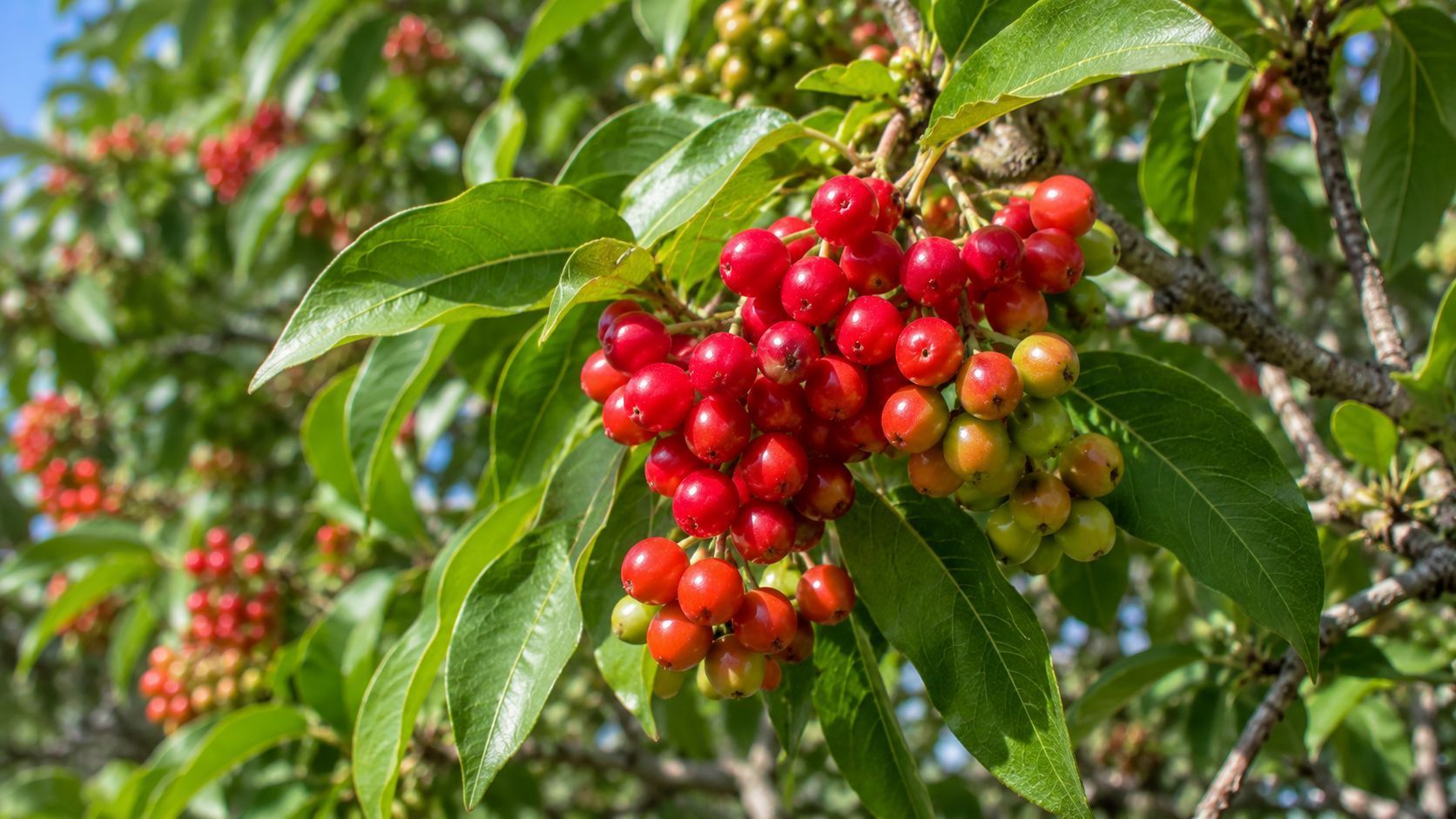
Florida landscapes contain trees from all over the world. Many nonnative species grow in our yards and communities without causing serious problems. Others have escaped cultivation and spread into natural areas, where they can compete with native plants and disrupt local ecosystems. These plants are known as invasive species, and several invasive trees are well established in Central Florida. For Tampa Bay homeowners, understanding the difference between a nonnative tree and an invasive one can help when choosing new trees, identifying unfamiliar trees already on a property, or deciding what to do with a species known to spread beyond the landscape. Nonnative Does Not Automatically Mean Invasive The terms "nonnative" and "invasive" are sometimes used interchangeably, but they do not mean the same thing. A nonnative plant is one that did not historically occur in a particular region and was introduced from somewhere else. Many familiar landscape plants in Florida are nonnative, and simply coming from another part of the world does not make a plant invasive. An invasive plant is a nonnative species that establishes and spreads outside cultivation and causes, or is likely to cause, harm. Invasive plants can displace native vegetation, alter natural plant communities, and affect the wildlife that depends on those communities. This distinction matters. The problem is not simply where a tree originated. It is how that species behaves after being introduced to Florida. Camphor Trees Are Invasive in Central Florida The camphor tree (Cinnamomum camphora) is an evergreen tree native to eastern Asia. Its broad canopy and tolerance for urban conditions helped make it an attractive shade and landscape tree. Today, however, UF/IFAS classifies camphor as invasive and does not recommend it for North or Central Florida. One reason is its ability to spread beyond the properties where it was planted. Camphor trees produce small fruits containing seeds that can germinate in the landscape. Birds can also carry the seeds away from the parent tree, allowing new trees to become established elsewhere. A mature camphor tree in a Tampa yard may still be providing substantial shade and may have been part of the property for decades. Its invasive classification does not mean there is necessarily something structurally or visibly wrong with that individual tree. The concern is the ability of the species to reproduce, escape cultivation, and spread into areas where it can affect Florida's natural plant communities. Brazilian Peppertree Is a More Aggressive Example Brazilian peppertree (Schinus terebinthifolia) provides an even more dramatic example of how an ornamental plant can become an invasive problem. Native to South America, Brazilian peppertree was introduced to Florida as an ornamental plant. Its evergreen foliage and clusters of bright red fruit once made it desirable in landscapes. It did not stay confined to those landscapes. Brazilian peppertree has spread extensively through Central and South Florida. It can colonize disturbed areas as well as natural habitats and form dense stands that shade out and displace native vegetation. Unlike camphor, Brazilian peppertree also appears on Florida's Noxious Weed List and is subject to state regulation. Invasive Does Not Always Mean Prohibited The distinction between an invasive plant and a regulated plant can be confusing. Organizations and agencies may evaluate plants according to their ecological effects and ability to spread. A species can therefore be classified as invasive without that classification itself creating a legal requirement for every homeowner who already has one. Some invasive plants are also included on state or federal regulatory lists. Brazilian peppertree is one example. Local rules may add another layer. Regulations involving particular plants can vary by jurisdiction, and homeowners should not assume that every invasive species has the same legal status or removal requirements. If there is a question about whether a particular species is regulated, it is better to check the current state and local requirements than to rely on the word "invasive" alone. Why Were Invasive Trees Planted in the First Place? It may seem strange that trees now considered invasive were deliberately planted in Florida landscapes. In many cases, their ability to thrive was exactly what made them appealing. Landscape plants are often selected because they grow well, tolerate difficult conditions, produce attractive flowers or fruit, provide shade, or require relatively little care. Before the long-term behavior of some introduced species was understood, they were planted in yards, developments, and public spaces. Over time, some proved capable of reproducing and spreading far beyond their original planting sites. Brazilian peppertree is a good example. What was once valued as an ornamental plant eventually became one of Florida's most troublesome invasive plants. What If You Already Have an Invasive Tree? Discovering that a mature tree on your property is an invasive species does not mean you should immediately grab a saw. First, make sure the tree has been correctly identified. Different species can have similar leaves, bark, fruit, or growth habits, and identification from a photograph or quick internet search is not always reliable. Once the species is known, you can consider its condition, location, invasive status, and any applicable regulations. If removal is appropriate, it may also provide an opportunity to replace the invasive tree with a species better suited to the surrounding landscape. The right replacement will depend on available space, soil and drainage conditions, desired shade, proximity to structures, and other characteristics of the property. Make Informed Decisions About the Trees on Your Property Florida's urban landscape includes a mixture of native trees, nonnative landscape trees, and invasive species introduced over many decades. Understanding the difference between these categories can help homeowners make better decisions about existing trees and future planting. If you have an unfamiliar tree on your Tampa-area property or are concerned about the condition of an existing tree, our ISA Certified Arborists can help evaluate your trees and discuss appropriate options. Call Mid-Florida Tree Service at (813) 588-0315 to schedule a professional tree evaluation.