
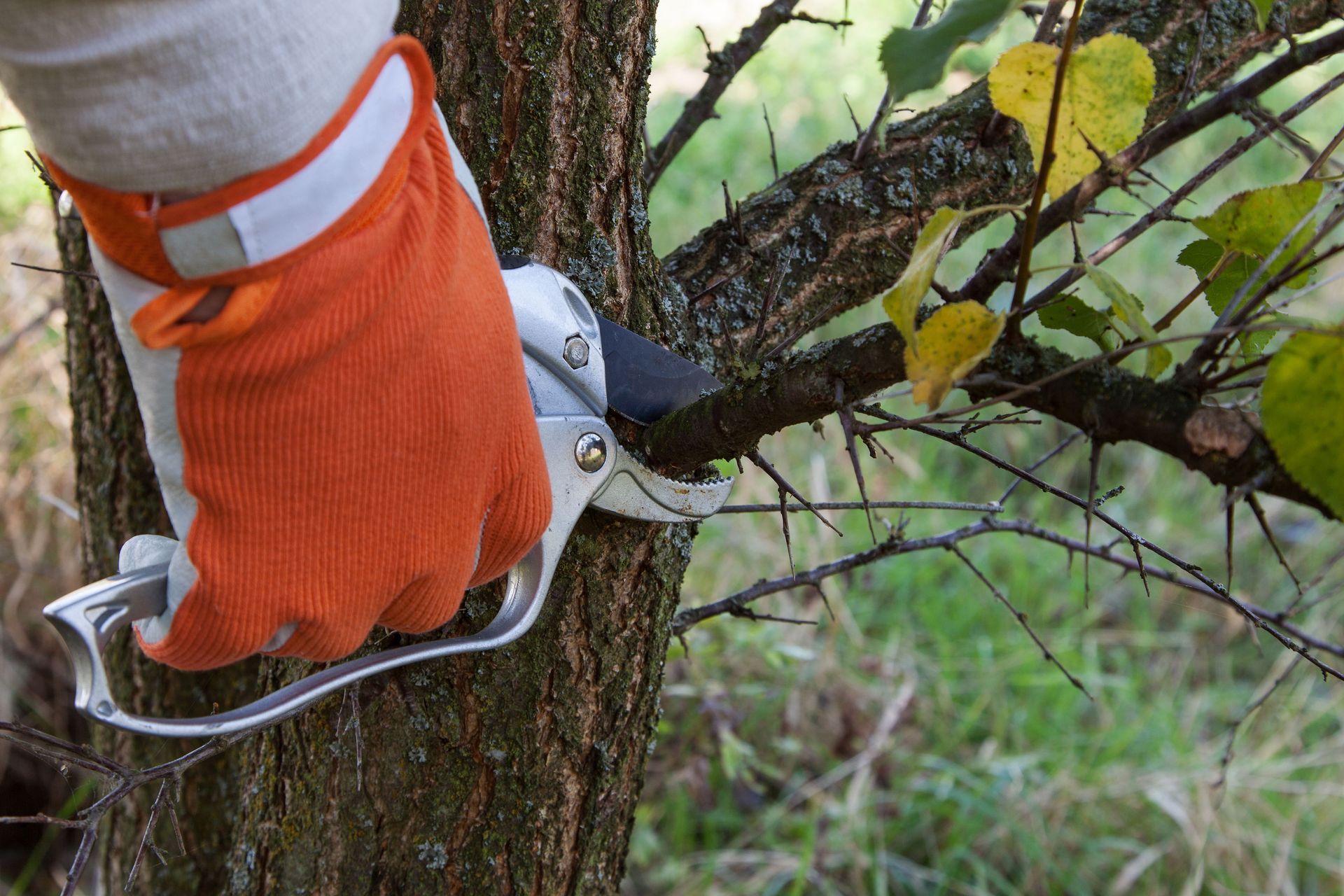
Protect your landscape from pests and stress by learning how much foliage can safely be removed during tree trimming. Read our blog for proper pruning tips.
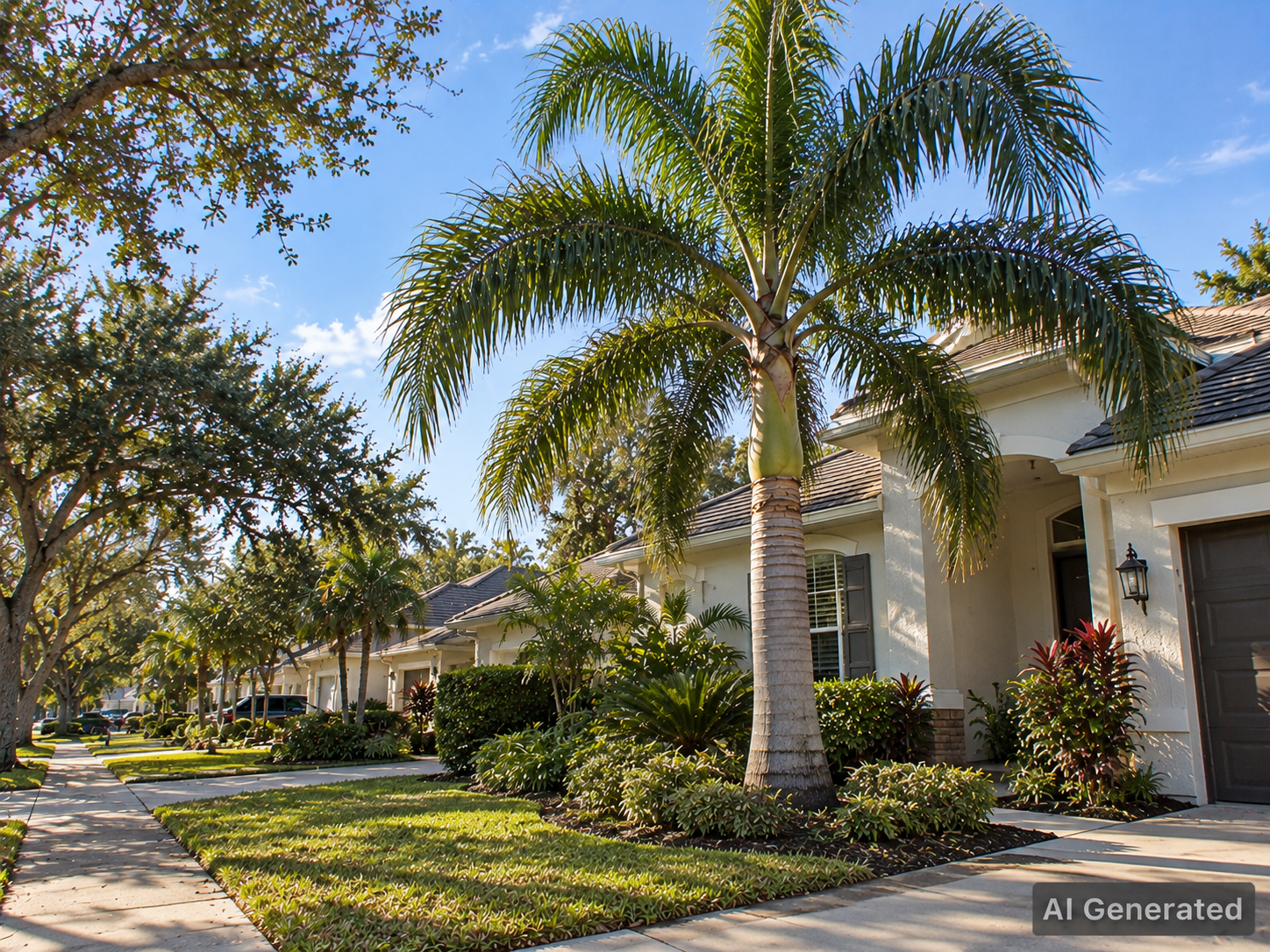
Palm trees are a familiar part of Tampa's landscape, but they have different growing habits and maintenance needs than broadleaf trees such as oaks and maples. Discolored fronds, damaged trunks, and changes in new growth can indicate problems that deserve attention. Recognizing these warning signs helps homeowners determine when routine maintenance is enough and when a professional evaluation is necessary. Yellowing or Browning Fronds Palm fronds naturally age and eventually die. Older fronds near the bottom of the canopy turn brown as they reach the end of their lifespan. However, widespread discoloration or yellowing of younger fronds can indicate a problem. Nutrient deficiencies are common in Florida palms. Potassium and magnesium deficiencies can cause distinctive discoloration patterns, while manganese deficiency can severely affect developing leaves. The location and appearance of the symptoms matter. Applying fertilizer without identifying the problem can waste money and fail to address the underlying cause. Problems With New Growth Unlike most broadleaf trees, palms typically grow from a single growing point at the top of the trunk. The newest leaf, often called the spear leaf, emerges from this growing point. Damage or disease affecting this area can threaten the entire palm. Watch for new leaves that emerge distorted, fail to open normally, or collapse. A loose or rotting spear leaf is another serious warning sign. These symptoms deserve prompt attention because a palm cannot replace a destroyed growing point with new branches. Trunk Damage and Decay Palm trunks do not respond to wounds the same way hardwood trees do. They lack the vascular cambium that allows most broadleaf trees to produce new wood around injuries. Damage from lawn equipment, construction, or improper maintenance can leave lasting wounds. Fungal diseases can also affect palm trunks. Ganoderma butt rot, for example, causes internal decay in the lower trunk and can eventually produce a shelf-like fungal structure near the base. A palm showing signs of trunk decay needs professional evaluation. Internal deterioration can compromise its structural stability. Overpruning Can Harm Palm Trees Removing healthy green fronds unnecessarily reduces the palm's ability to produce energy through photosynthesis. Excessive pruning can also worsen nutrient deficiencies because palms move certain nutrients from older leaves into developing growth. The familiar hurricane cut, which leaves only a small cluster of upright fronds, is not recommended as routine palm maintenance. Proper palm pruning focuses on removing dead or otherwise appropriate fronds without stripping away healthy foliage. When Should a Palm Be Inspected? A palm with severely distorted new growth, suspected trunk decay, unusual leaning, or a rapidly declining canopy should be evaluated. Some palm problems can be managed when identified early. Others, including certain diseases that destroy essential growing tissue or compromise the trunk, can make removal necessary. At Mid-Florida Tree Service, our ISA Certified Arborists work with palms and other landscape trees throughout Tampa and Central Florida. We can evaluate palm condition, recommend appropriate maintenance, and determine when removal is necessary. Call us at (813) 588-0315 to schedule a palm tree evaluation.
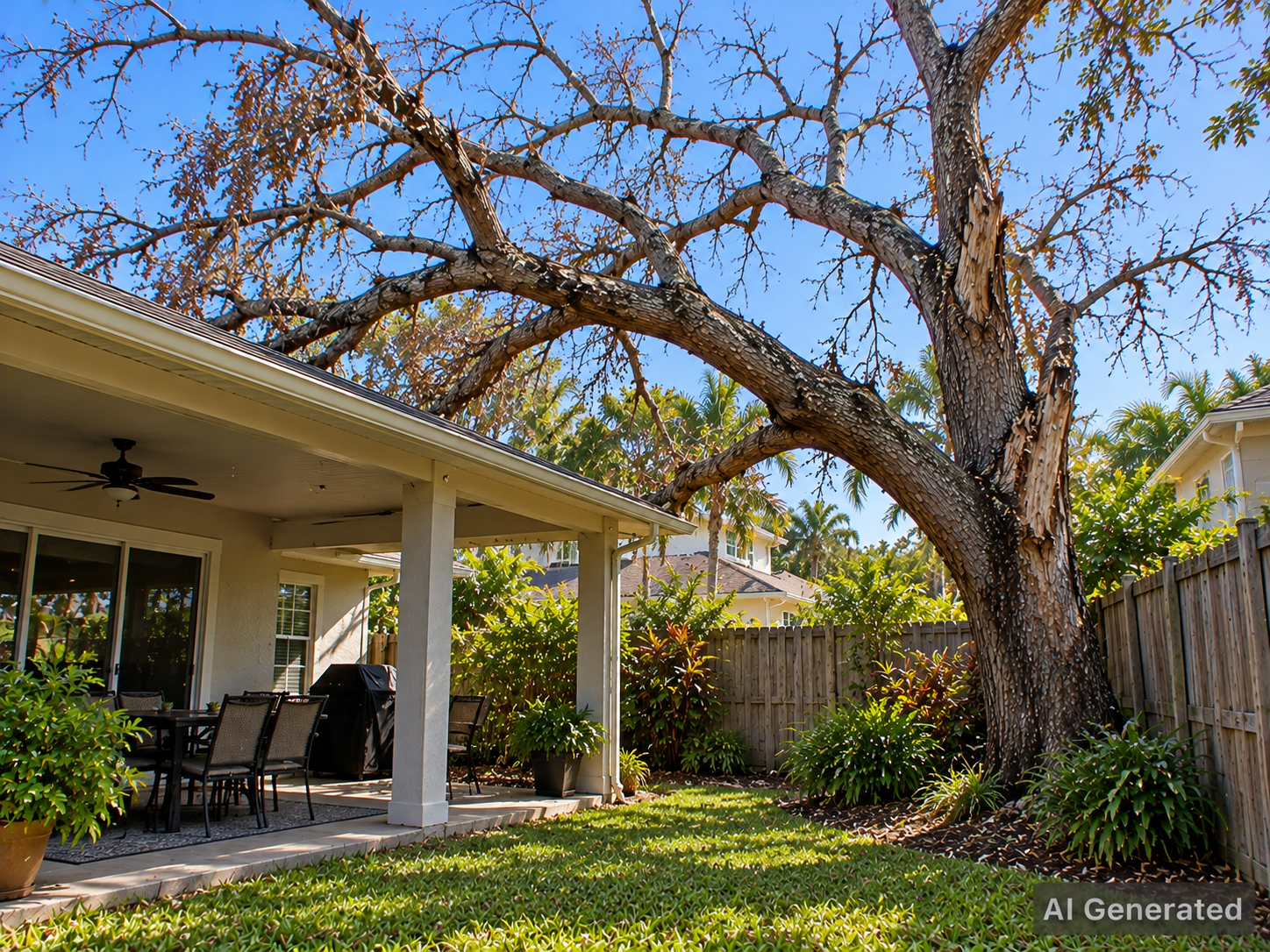
Removing a large tree from a residential property is not always straightforward. In South Tampa, homes, fences, pools, utility lines, and established landscaping can leave limited room for equipment and falling branches. These conditions make planning an important part of professional tree removal. The goal is to remove the tree while protecting nearby structures and minimizing disruption to the surrounding property. Limited Access to the Tree One of the biggest challenges on smaller residential lots is getting equipment into position. A tree in an open yard offers more options than one growing between two houses or behind a home with narrow side-yard access. Fences, gates, overhead wires, and landscaping can restrict the movement of machinery and crews. Before beginning a removal, we evaluate access routes, working space, and obstacles that could affect the operation. Some situations require specialized equipment or additional preparation to reach the tree safely. Removing Trees Near Houses and Other Structures When a tree stands close to a house, allowing large branches or trunk sections to fall freely is often not an option. Professional crews can dismantle the tree in sections, controlling how branches and wood are lowered to the ground. Rigging systems allow workers to manage heavy pieces without dropping them onto roofs, fences, or landscaping. Crane-assisted removal is another option for certain properties. A crane can lift sections of a tree away from obstacles when site conditions allow appropriate equipment placement. The removal method depends on the tree's size, condition, location, and available working space. Protecting the Surrounding Property A mature tree can contain thousands of pounds of wood. Removing it requires more than cutting branches and hauling away debris. Nearby structures, underground utilities, irrigation systems, driveways, and landscaping all need consideration. Equipment placement and access routes are especially important when heavy machinery must operate near pavement or buried infrastructure. A professional removal plan accounts for these conditions before work begins. What About Tree Removal Permits in South Tampa? Tree removal regulations depend on the property's jurisdiction and the tree involved. Properties within the City of Tampa are subject to city tree regulations, including protections for certain trees. A Tampa mailing address does not necessarily establish that a property is within city limits. Before removing a regulated tree, homeowners should confirm whether a permit or other authorization is required. An ISA Certified Arborist can help evaluate the tree and explain the relevant considerations. Experience Matters With Difficult Removals Mid-Florida Tree Service has served the Tampa Bay area since 1976. Our crews have experience with large removals, crane work, storm damage, and complex situations where nearby structures limit working space. Whether a tree is growing between houses, beside a pool, or in a difficult-to-access backyard, we can evaluate the site and develop an appropriate removal plan. If you need professional tree removal in South Tampa, call Mid-Florida Tree Service at (813) 588-0315 to schedule an evaluation.