
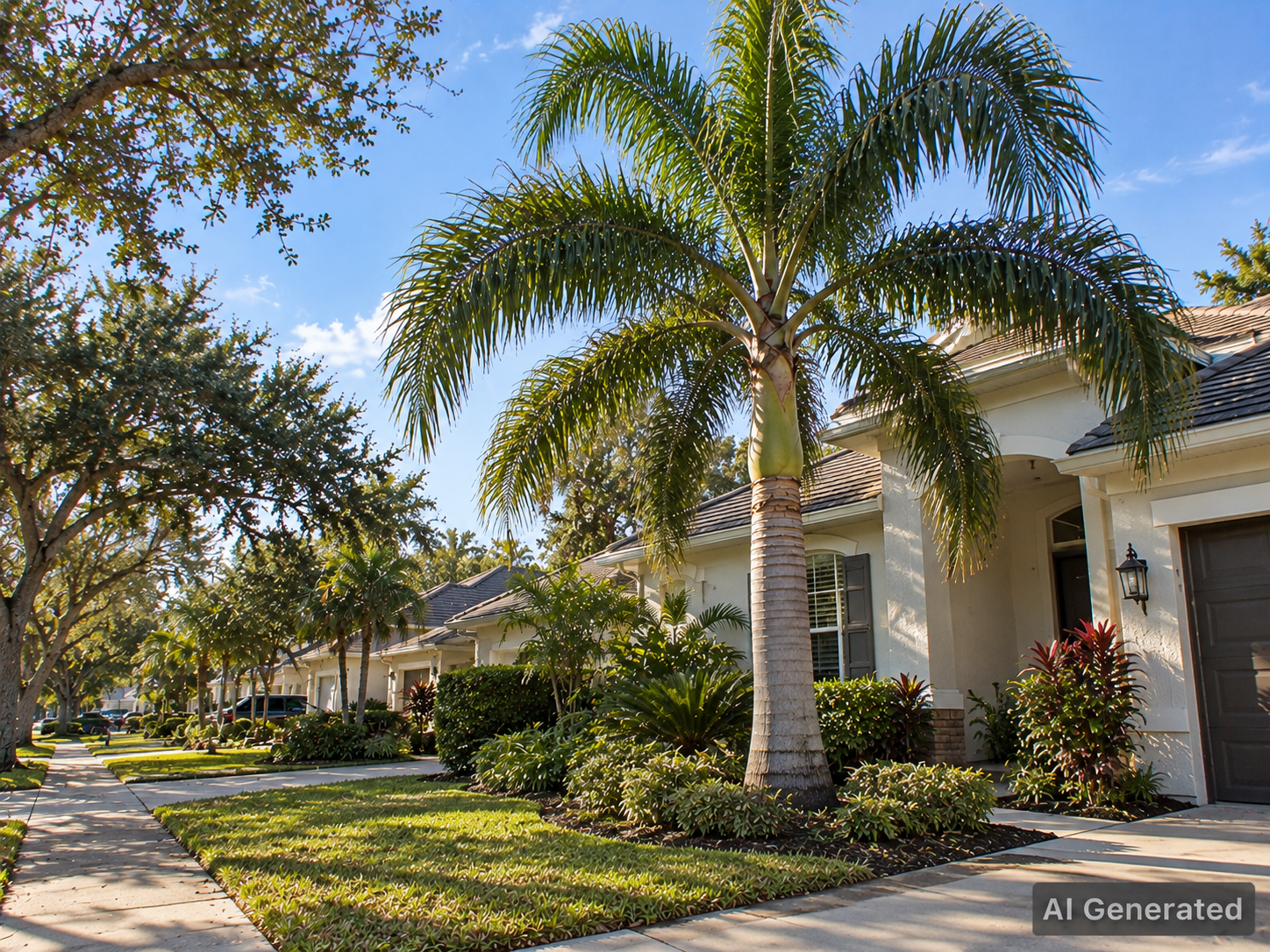
Palm trees are a familiar part of Tampa's landscape, but they have different growing habits and maintenance needs than broadleaf trees such as oaks and maples. Discolored fronds, damaged trunks, and changes in new growth can indicate problems that deserve attention. Recognizing these warning signs helps homeowners determine when routine maintenance is enough and when a professional evaluation is necessary. Yellowing or Browning Fronds Palm fronds naturally age and eventually die. Older fronds near the bottom of the canopy turn brown as they reach the end of their lifespan. However, widespread discoloration or yellowing of younger fronds can indicate a problem. Nutrient deficiencies are common in Florida palms. Potassium and magnesium deficiencies can cause distinctive discoloration patterns, while manganese deficiency can severely affect developing leaves. The location and appearance of the symptoms matter. Applying fertilizer without identifying the problem can waste money and fail to address the underlying cause. Problems With New Growth Unlike most broadleaf trees, palms typically grow from a single growing point at the top of the trunk. The newest leaf, often called the spear leaf, emerges from this growing point. Damage or disease affecting this area can threaten the entire palm. Watch for new leaves that emerge distorted, fail to open normally, or collapse. A loose or rotting spear leaf is another serious warning sign. These symptoms deserve prompt attention because a palm cannot replace a destroyed growing point with new branches. Trunk Damage and Decay Palm trunks do not respond to wounds the same way hardwood trees do. They lack the vascular cambium that allows most broadleaf trees to produce new wood around injuries. Damage from lawn equipment, construction, or improper maintenance can leave lasting wounds. Fungal diseases can also affect palm trunks. Ganoderma butt rot, for example, causes internal decay in the lower trunk and can eventually produce a shelf-like fungal structure near the base. A palm showing signs of trunk decay needs professional evaluation. Internal deterioration can compromise its structural stability. Overpruning Can Harm Palm Trees Removing healthy green fronds unnecessarily reduces the palm's ability to produce energy through photosynthesis. Excessive pruning can also worsen nutrient deficiencies because palms move certain nutrients from older leaves into developing growth. The familiar hurricane cut, which leaves only a small cluster of upright fronds, is not recommended as routine palm maintenance. Proper palm pruning focuses on removing dead or otherwise appropriate fronds without stripping away healthy foliage. When Should a Palm Be Inspected? A palm with severely distorted new growth, suspected trunk decay, unusual leaning, or a rapidly declining canopy should be evaluated. Some palm problems can be managed when identified early. Others, including certain diseases that destroy essential growing tissue or compromise the trunk, can make removal necessary. At Mid-Florida Tree Service, our ISA Certified Arborists work with palms and other landscape trees throughout Tampa and Central Florida. We can evaluate palm condition, recommend appropriate maintenance, and determine when removal is necessary. Call us at (813) 588-0315 to schedule a palm tree evaluation.
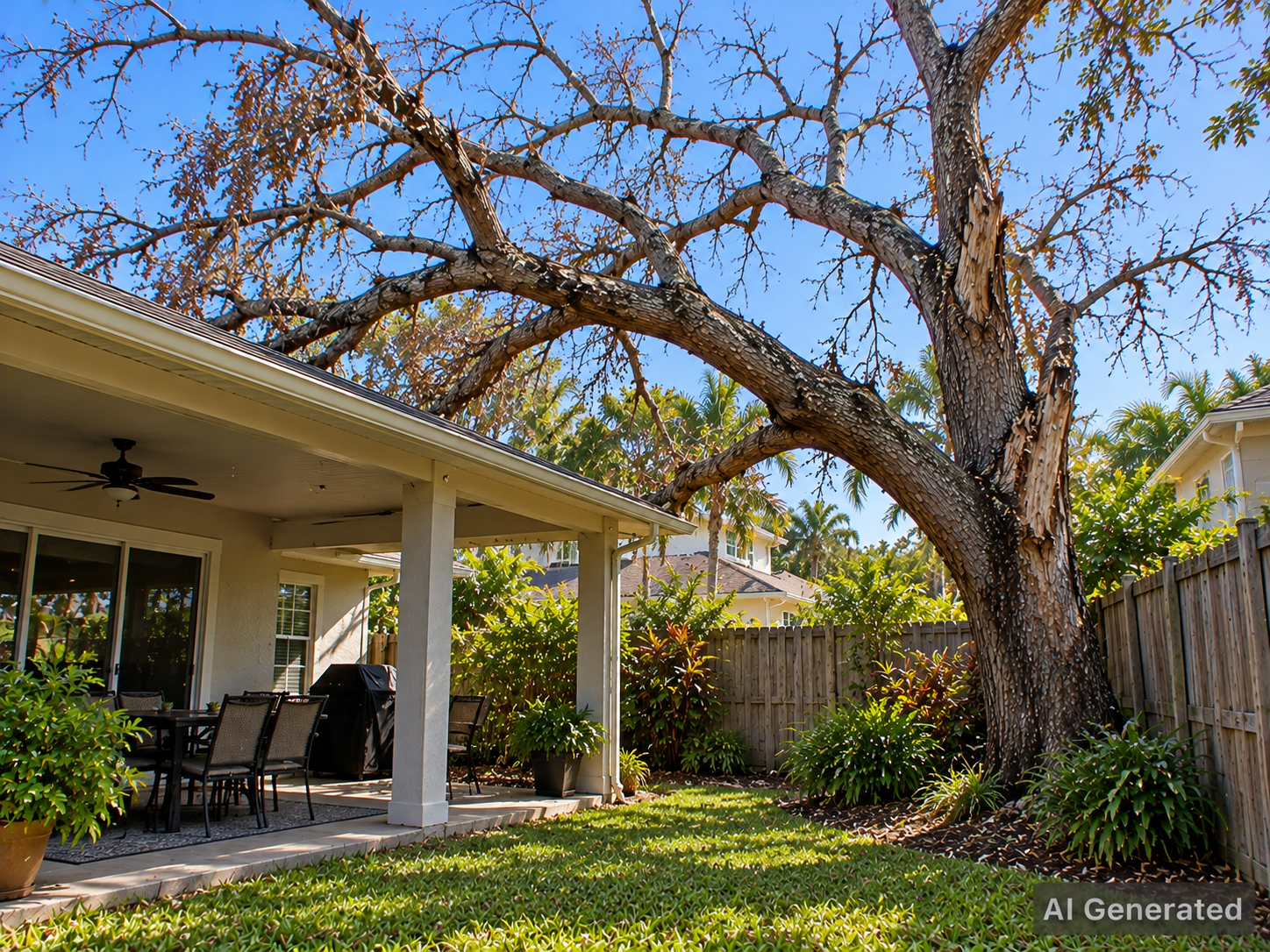
Removing a large tree from a residential property is not always straightforward. In South Tampa, homes, fences, pools, utility lines, and established landscaping can leave limited room for equipment and falling branches. These conditions make planning an important part of professional tree removal. The goal is to remove the tree while protecting nearby structures and minimizing disruption to the surrounding property. Limited Access to the Tree One of the biggest challenges on smaller residential lots is getting equipment into position. A tree in an open yard offers more options than one growing between two houses or behind a home with narrow side-yard access. Fences, gates, overhead wires, and landscaping can restrict the movement of machinery and crews. Before beginning a removal, we evaluate access routes, working space, and obstacles that could affect the operation. Some situations require specialized equipment or additional preparation to reach the tree safely. Removing Trees Near Houses and Other Structures When a tree stands close to a house, allowing large branches or trunk sections to fall freely is often not an option. Professional crews can dismantle the tree in sections, controlling how branches and wood are lowered to the ground. Rigging systems allow workers to manage heavy pieces without dropping them onto roofs, fences, or landscaping. Crane-assisted removal is another option for certain properties. A crane can lift sections of a tree away from obstacles when site conditions allow appropriate equipment placement. The removal method depends on the tree's size, condition, location, and available working space. Protecting the Surrounding Property A mature tree can contain thousands of pounds of wood. Removing it requires more than cutting branches and hauling away debris. Nearby structures, underground utilities, irrigation systems, driveways, and landscaping all need consideration. Equipment placement and access routes are especially important when heavy machinery must operate near pavement or buried infrastructure. A professional removal plan accounts for these conditions before work begins. What About Tree Removal Permits in South Tampa? Tree removal regulations depend on the property's jurisdiction and the tree involved. Properties within the City of Tampa are subject to city tree regulations, including protections for certain trees. A Tampa mailing address does not necessarily establish that a property is within city limits. Before removing a regulated tree, homeowners should confirm whether a permit or other authorization is required. An ISA Certified Arborist can help evaluate the tree and explain the relevant considerations. Experience Matters With Difficult Removals Mid-Florida Tree Service has served the Tampa Bay area since 1976. Our crews have experience with large removals, crane work, storm damage, and complex situations where nearby structures limit working space. Whether a tree is growing between houses, beside a pool, or in a difficult-to-access backyard, we can evaluate the site and develop an appropriate removal plan. If you need professional tree removal in South Tampa, call Mid-Florida Tree Service at (813) 588-0315 to schedule an evaluation.
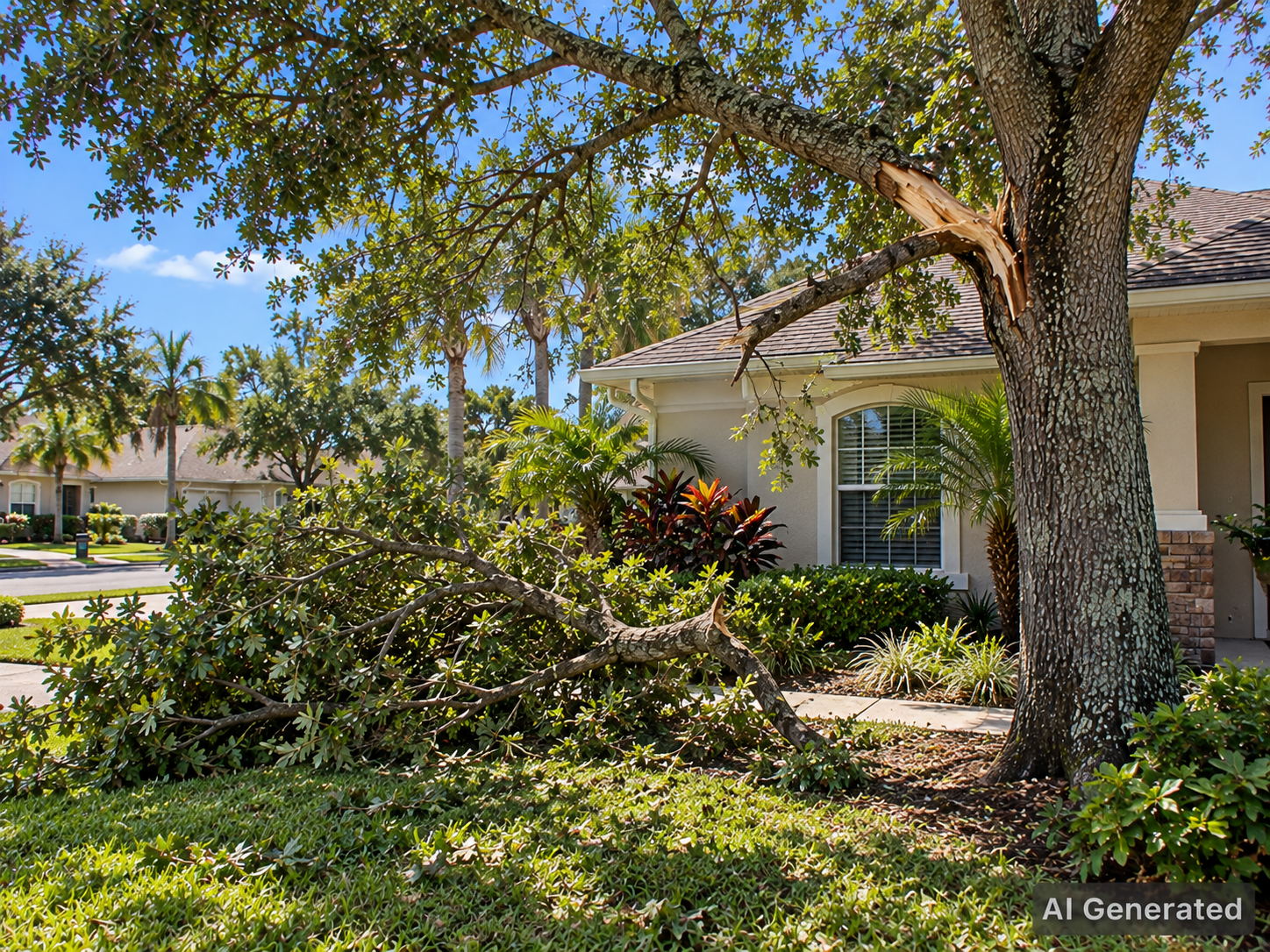
A large branch breaking off a tree can leave a substantial wound and change the shape of its canopy. Whether the damage results from a storm, decay, or an accident, homeowners often wonder if the tree will survive. Many trees can recover from losing a major limb. The outcome depends on the size and location of the wound, the amount of canopy lost, and the tree's overall health. How Does Losing a Large Branch Affect a Tree? Branches support the leaves that produce energy through photosynthesis. When a tree loses a large limb, it also loses part of its ability to produce the energy needed for growth and maintenance. The break also exposes wood that was previously protected by bark. Trees cannot heal wounds the way people do. Instead, they form new tissue around the edges of the injury and use natural defense processes to limit the spread of decay. A healthy tree with a relatively small wound has a better chance of successfully enclosing the damaged area than a tree with extensive trunk damage or existing decay. What Should You Do After a Large Branch Breaks? First, check for immediate hazards. A partially attached limb or broken branch caught in the canopy can fall without warning. Keep people away from damaged branches overhead, and never approach a tree or branch in contact with electrical lines. Once the area is safe, examine the damage from the ground. Look at the wound. A branch that breaks cleanly outside the trunk usually causes less structural damage than one that tears away a large section of bark and wood. Check for additional cracks. Splits extending into the trunk or other major branches can indicate more serious structural damage. Observe the remaining canopy. Losing a major limb can leave the tree with an uneven distribution of branches and foliage. Avoid cutting away additional healthy branches simply to restore a symmetrical appearance. Unnecessary pruning removes more foliage from a tree that has already experienced significant damage. Should You Seal the Wound? Tree wound paints and sealants are unnecessary and can interfere with the tree's natural defenses against decay. Trees form new tissue around wounds and use internal defense processes to isolate damaged wood. If the broken branch has left a jagged stub, professional pruning can remove damaged material while preserving the branch collar and avoiding additional injury to the tree. Do not attempt to fill the wound with concrete, foam, or other materials. How Long Does Recovery Take? A tree can begin producing new growth during the next growing season, but closing a large wound takes much longer. Some wounds never become completely enclosed. Recovery depends on the tree species, its health, growing conditions, and the extent of the damage. In Tampa and Central Florida, warm temperatures support a long growing season, but drought, saturated soil, pests, and additional storm damage can place further stress on an injured tree. Keep the tree properly watered during dry periods, protect the root area from unnecessary disturbance, and avoid excessive pruning while it recovers. When Is Tree Removal Necessary? Losing a large branch does not automatically mean a tree needs to be removed. However, some damage compromises the tree's structure beyond what corrective pruning can address. A tree may need to be removed when a broken limb causes extensive trunk splitting, exposes significant internal decay, or leaves the remaining structure dangerously weakened. The location of the tree also matters. A damaged tree standing over a home, driveway, or frequently occupied area presents different risks than one growing in an open landscape. Professional Evaluation of a Damaged Tree If your tree has lost a large branch, a professional inspection can determine whether the remaining structure is sound and what corrective pruning is appropriate. At Mid-Florida Tree Service, our ISA Certified Arborists evaluate damaged trees throughout Tampa and Central Florida. We can assess the extent of the injury and recommend appropriate care or removal when necessary. Call us at (813) 588-0315 to schedule a tree evaluation.