November 24, 2026
A neighborhood feels different when its trees are thriving. Shaded sidewalks invite people outside, mature canopies soften busy streets, and healthy branches give birds places to rest. On private properties, trees can make outdoor spaces more comfortable while adding character to the landscape. Yet their benefits depend on how well they are planted, protected, and maintained.
Heat, storms, construction, compacted soil, and everyday wear can affect trees long before the damage becomes obvious. Thoughtful care helps property owners notice developing problems without treating every unusual branch as a reason for removal. Professional guidance can also preserve trees that might otherwise be lost to preventable damage. Understanding the basics of tree health is a useful starting point for anyone responsible for a yard, shared property, or community landscape.
Protect Shade, Wildlife, and Everyday Comfort
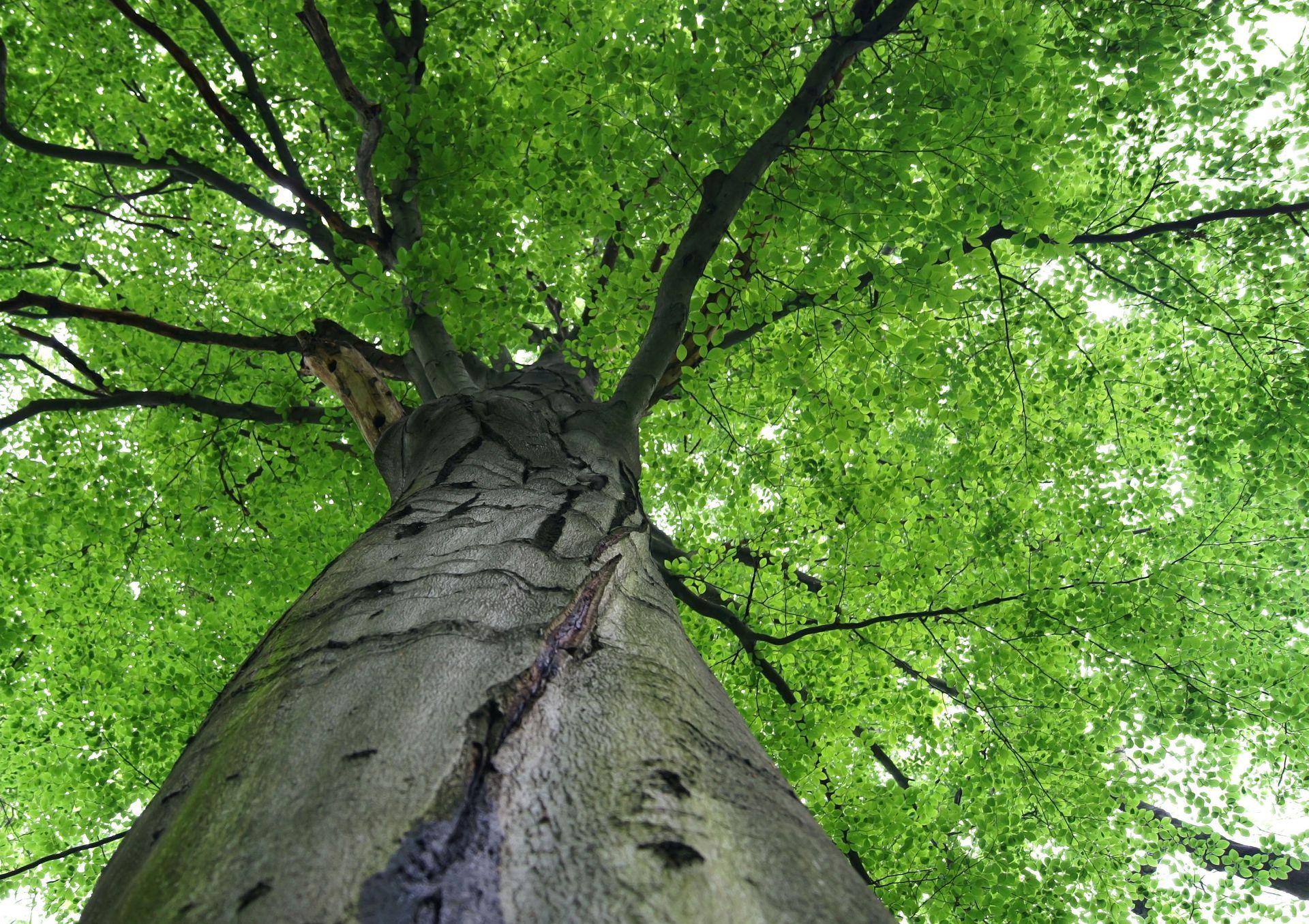
A mature canopy provides much more than an attractive view. Leaves intercept sunlight, helping shade pavement, buildings, and gathering areas. Trees also release water vapor through transpiration, which can contribute to cooling nearby spaces. In warm communities, this shade makes an important difference to people walking, waiting for transit, or enjoying a park.
Branches offer nesting and shelter opportunities, while flowers, fruit, and seeds support wildlife. Roots help hold soil in place, and tree crowns intercept some rainfall before it reaches the ground. These benefits vary by species, site conditions, and tree health; no single planting solves every environmental problem.
Well-planned tree services help maintain those benefits by addressing damaged limbs, assessing structural concerns, and protecting valuable trees as neighborhoods change. Rather than focusing only on appearance, an effective maintenance plan considers how each tree fits into its surroundings and what it needs to remain healthy.
Plant the Right Tree in the Right Place
Successful landscapes begin with a realistic planting plan. A tree that looks small at the nursery may eventually spread over a driveway or crowd a building. Before choosing a species, consider its mature height, canopy width, root characteristics, and the space available above and below ground. Nearby utilities, sidewalks, and drainage patterns also matter.
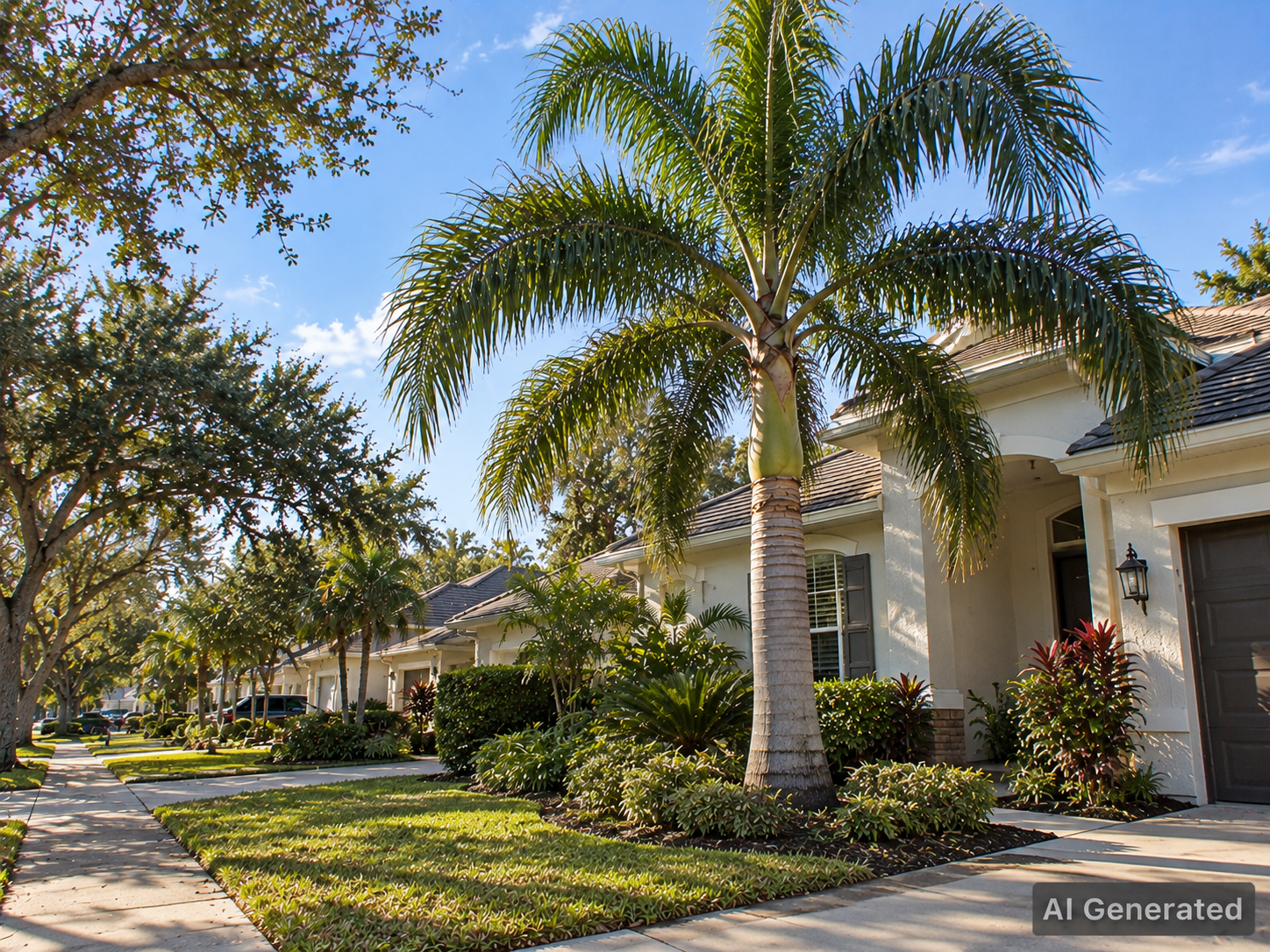
Florida properties may face sandy soils, intense rainfall, seasonal dry periods, salt exposure near the coast, and strong winds. Species suited to local conditions usually have a better chance of establishing with appropriate care. Diversity matters, too. Planting several suitable species can reduce the risk that one pest or disease will affect an entire landscape.
Tree services can assist with site assessments and long-term planning, especially where established roots, confined planting areas, or nearby structures complicate decisions. Proper planting depth is critical: burying the root flare too deeply can cause lasting problems. Providing sufficient growing space from the beginning reduces conflicts and unnecessary corrective work later.
Use Pruning to Support Safe, Natural Growth
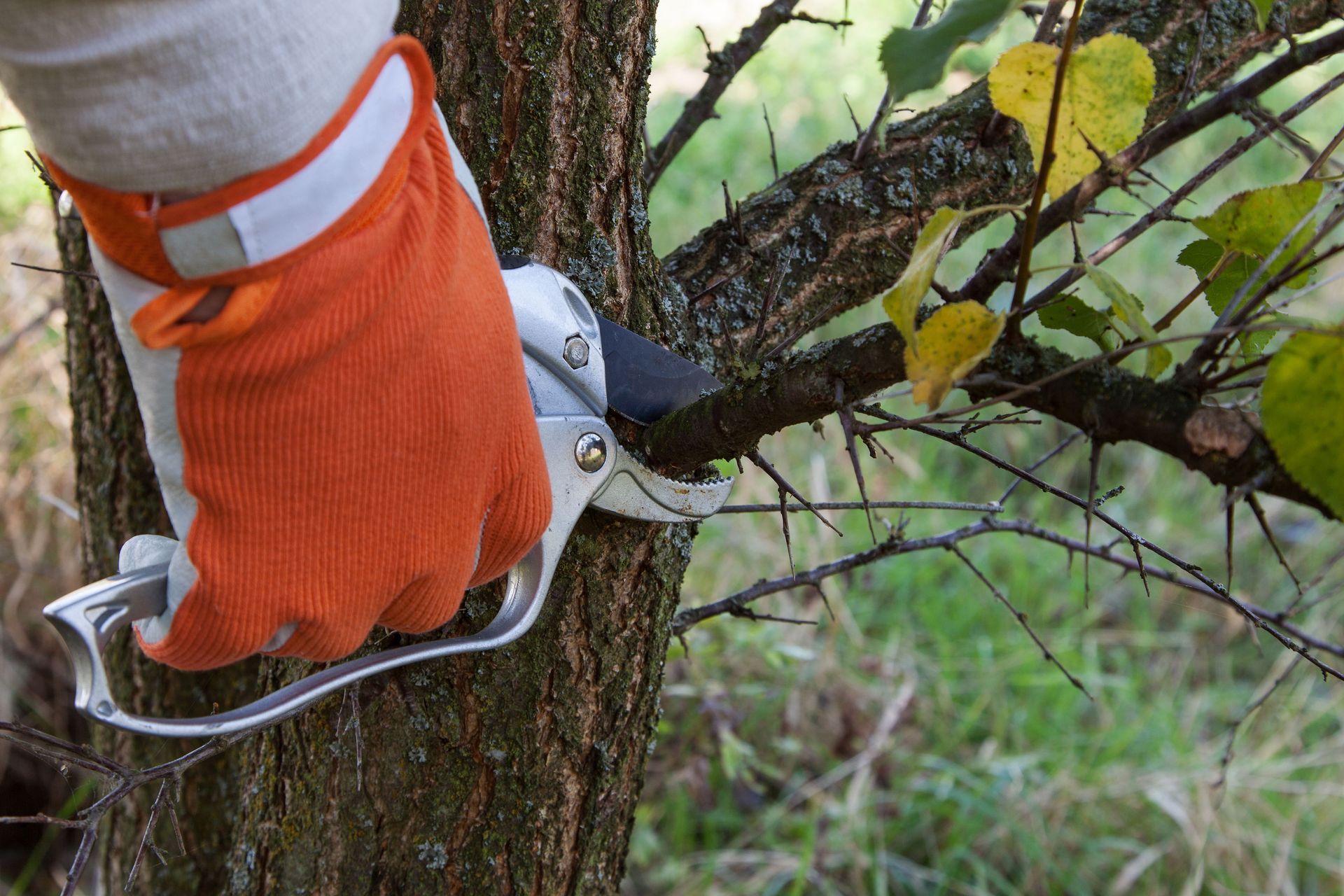
Pruning has a purpose beyond making a canopy look tidy. Removing dead or broken branches can address obvious hazards, while selective structural pruning helps young trees develop a stronger framework. The goal is generally to retain a healthy, natural shape and avoid creating large wounds without good reason.
Heavy topping is not a sound shortcut for controlling height. It removes substantial foliage and may encourage weakly attached regrowth. Excessive thinning can also expose limbs and bark to conditions they are not accustomed to. Appropriate cuts, timing, and the amount removed depend on the species and the condition of the tree.
With tree services, property managers can develop a maintenance schedule based on actual needs instead of automatically trimming every tree each year. Work near electrical lines requires special training and utility coordination; it is never a routine do-it-yourself task. Periodic evaluations can identify branches that interfere with walkways or structures while preserving the canopy that makes an outdoor space inviting.
Care for Roots, Soil, and Developing Health Problems
Many tree problems begin below the surface. Compacted soil limits the movement of air and water around roots. Construction equipment, repeated foot traffic, and changes in drainage can stress trees even when the crown still looks healthy. Digging or piling soil over established roots may also disrupt the conditions that support growth.
A wide layer of organic mulch can help conserve moisture and moderate soil temperature, but it should not be heaped against the trunk. Watering should suit the species, age, soil, and current weather rather than follow one schedule for every tree. Fertilizer is not always necessary; applying it without understanding a problem may do little to help.
Tree services may include inspections for unusual leaf loss, dieback, damaged roots, or signs of insects and disease. An arborist can distinguish conditions that need treatment from normal seasonal changes. Early identification often creates more options for preservation, but not every symptom has a simple cure. A careful diagnosis should come before major pruning or removal.
Prepare for Storms Without Removing Healthy Trees
In Florida, thunderstorms and tropical weather make tree risk a practical concern. Cracked branches, decay near major attachments, and a recently leaning trunk can warrant prompt assessment. Still, no tree is completely risk-free, and even vigorous trees may be damaged by extreme winds. Preventive care aims to reduce identifiable hazards, not promise that a storm will cause no damage.
Before severe weather arrives, an arborist can assess structural defects and recommend reasonable action. That might involve selective pruning, monitoring, or removal when a tree presents an unacceptable risk. After a storm, keep clear of hanging limbs and trees entangled with power lines. Contact the utility when electrical infrastructure is involved, and leave unstable tree work to properly equipped professionals.
Emergency tree services can help address dangerous damage while considering nearby buildings, access routes, and remaining healthy trees. Removing a damaged tree should not automatically mean clearing everything around it. Where preservation is feasible and safe, protecting the surviving canopy helps a landscape recover with more of its established character intact.
Keep Green Spaces Welcoming for the Long Term
Healthy trees contribute to places where people want to spend time. A shaded bench, a comfortable walking route, or a leafy courtyard can encourage outdoor activity and social connection. Their value is not limited to appearance or environmental performance; people also associate trees with a sense of calm and belonging.
According to the Arbor Day Foundation's 2025 Canopy Report, 87% of Americans say trees and green spaces have a noticeable impact on their mental well-being. This survey finding reflects people's reported experiences, rather than proving that any individual tree produces a particular health outcome. It does, however, show how strongly respondents value green surroundings.
Reliable
tree services support these spaces through appropriate planting, inspections, maintenance, and risk management. Community associations, businesses, and homeowners can also help by protecting root zones during projects and planning for the next generation of shade trees. Caring for established trees and replacing losses thoughtfully keeps green spaces useful as neighborhoods evolve.
Support a Healthier Landscape With Thoughtful Care
Good tree care is a long-term commitment, not a reaction to the latest fallen branch. Choosing suitable species, maintaining roots and canopies, and responding early to structural concerns help preserve the shade, beauty, and ecological value that trees provide. The right approach balances safety with the benefits of keeping healthy trees standing.
For guidance on pruning, tree assessments, storm preparation, or removal when necessary, contact Mid-Florida Tree Service, Inc. Its team can help property owners in the Tampa Bay area make informed decisions about maintaining healthier, more welcoming outdoor spaces.